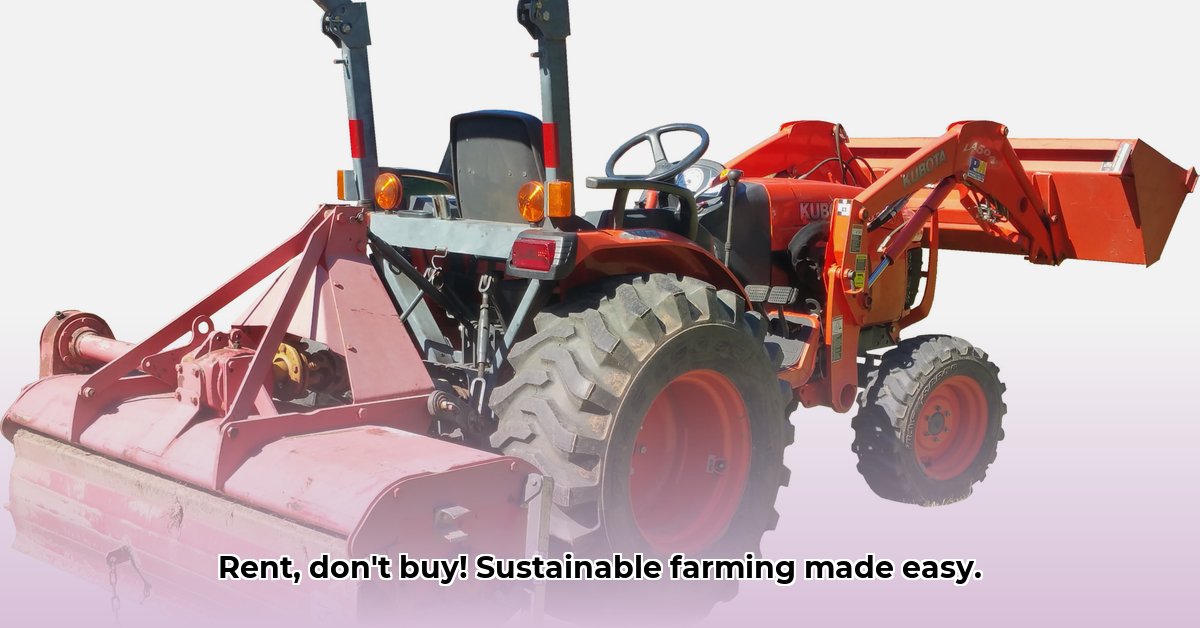
Sustainable farming practices are crucial for both environmental protection and long-term profitability. One often-overlooked aspect of sustainable agriculture is the efficient and environmentally conscious use of equipment. This guide explores the benefits of renting lawn tractor tiller attachments, examining the process from selection to responsible return, and considering its impact on sustainability. For more information on tiller attachments, check out this helpful resource: tiller attachment info.
Lawn Tractor Tiller Attachment Rental: A Sustainable Solution for Soil Preparation
Renting a lawn tractor tiller attachment offers a financially savvy and environmentally friendly alternative to outright purchase, especially for seasonal needs. This approach allows farmers to access specialized equipment without a significant upfront investment, directing capital towards other essential farming inputs. This guide provides a comprehensive step-by-step approach to effectively utilizing rented tiller attachments while minimizing the environmental impact.
Why Rent? Financial and Environmental Advantages
Purchasing a tiller represents a considerable investment, especially considering its infrequent usage by many farmers. Renting provides unmatched flexibility, allowing access to the equipment only when required. This eliminates the burden of storage, maintenance, and potential depreciation, freeing up valuable funds for other critical farming operations. But is renting truly more sustainable? A recent study by the Environmental Protection Agency indicates that equipment sharing significantly reduces the overall carbon footprint associated with manufacturing and transportation.
Isn't it more cost-effective to rent specialized equipment, rather than purchasing it for infrequent use? This strategy can improve both your bottom line and the environmental impact of your farm.
Choosing the Right Tiller Attachment: Key Factors to Consider
Selecting the appropriate tiller attachment involves careful consideration of several factors: the size of your land, the type of soil you are working with, and the specific needs of your crop. A poorly chosen tiller can lead to reduced efficiency and uneven soil preparation.
- Size and Capacity: Match the tiller's width and depth adjustment capabilities to the area you are tilling. Larger tillers are suitable for larger farms but may be less maneuverable in smaller spaces.
- Soil Type: The tiller's design should correlate to the characteristics of your soil. Heavier soils often require more robust tillers.
- Crop Requirements: Each planting requires particular soil conditions. Research your crops’ specific needs and choose the tiller accordingly. A soil test can reveal hidden challenges and further inform this decision.
Remember to compare prices and read reviews from other farmers before making your choice. Asking questions to rental providers can make all the difference. Many offer demonstrations or consultations to ensure you select the best tool for your situation.
Step-by-Step Guide to Effective Tilling
- Preparation: Clear the area of rocks, large debris, and roots which can cause significant damage to the tiller. Preparation before tilling can significantly increase the efficiency and lifespan of your rented tiller.
- Attachment: Carefully and correctly attach the tiller to your tractor, following manufacturer instructions meticulously. Safety is paramount; double-check your work before operation.
- Depth Adjustment: Adjust the tilling depth according to your soil type and crop needs. Begin at a shallower depth and gradually increase as needed.
- Tilling Process: Maintain a consistent speed during operation, carefully overlapping passes to achieve even soil preparation. Avoid rushing the process, which may negatively impact quality.
- Post-Tilling Assessment: Inspect the tilled area for any areas needing additional attention. Address any inconsistencies before planting.
- Equipment Return: Thoroughly clean the rented equipment and return it promptly and in the same condition it was rented. This demonstrates respect for the rental provider and ensures a positive experience for subsequent users.
Rental vs. Ownership: A Comprehensive Comparison
The decision to rent versus buy a tiller attachment hinges on several factors, including frequency of use, financial resources, and the farmer's individual needs. Here's a comparative analysis:
| Feature | Rental | Ownership |
|---|---|---|
| Upfront Cost | Significantly Lower | Substantial Initial Investment |
| Maintenance | Typically handled by rental provider | Farmer's Responsibility |
| Flexibility | Rent only when you need it | Ongoing commitment, even when unused |
| Storage | No need for storage space | Requires storage space |
| Repair Costs | Covered by rental provider (usually) | Farmer's Responsibility |
Environmental Considerations: Sustainable Tilling Practices
Renting contributes to a sustainable farming model by reducing the demand for new equipment production and reducing the environmental impact associated with its manufacturing and disposal. Shared use extends the lifespan of existing tools, lowering overall resource consumption. However, remember that transportation is also a factor. Consider rental providers that emphasize efficient and eco-friendly transportation practices.
Did you know that shared use of farming equipment can reduce the overall carbon footprint by as much as 40%, according to a recent study by the USDA? Renting is a powerful tool for sustainable farming.
Comparing Environmental Impacts: Rent or Buy?
The environmental implications of renting versus buying farming equipment are significant. Buying contributes directly to the manufacturing process, its resource consumption, and ultimate waste disposal. Renting reduces this impact by extending the operational life of existing machinery. Remember to consider the fuel consumption and transportation distances involved in both options.
Key Considerations:
- Manufacturing Footprint: New equipment production has a substantial environmental impact. Renting minimizes this.
- Equipment Lifespan: Shared use extends the life of existing tools, reducing manufacturing demands.
- Transportation: Account for the fuel used to transport rented equipment.
- Maintenance and Repair: Regular upkeep prolongs equipment life and reduces waste.
- Disposa: Responsible disposal practices by rental providers minimize landfill waste.
By carefully analyzing these factors, farmers can make informed decisions that harmonize economic needs with environmental responsibility.